
⚠️ Mentions suicide attempts and bullying. This is an opinion post.
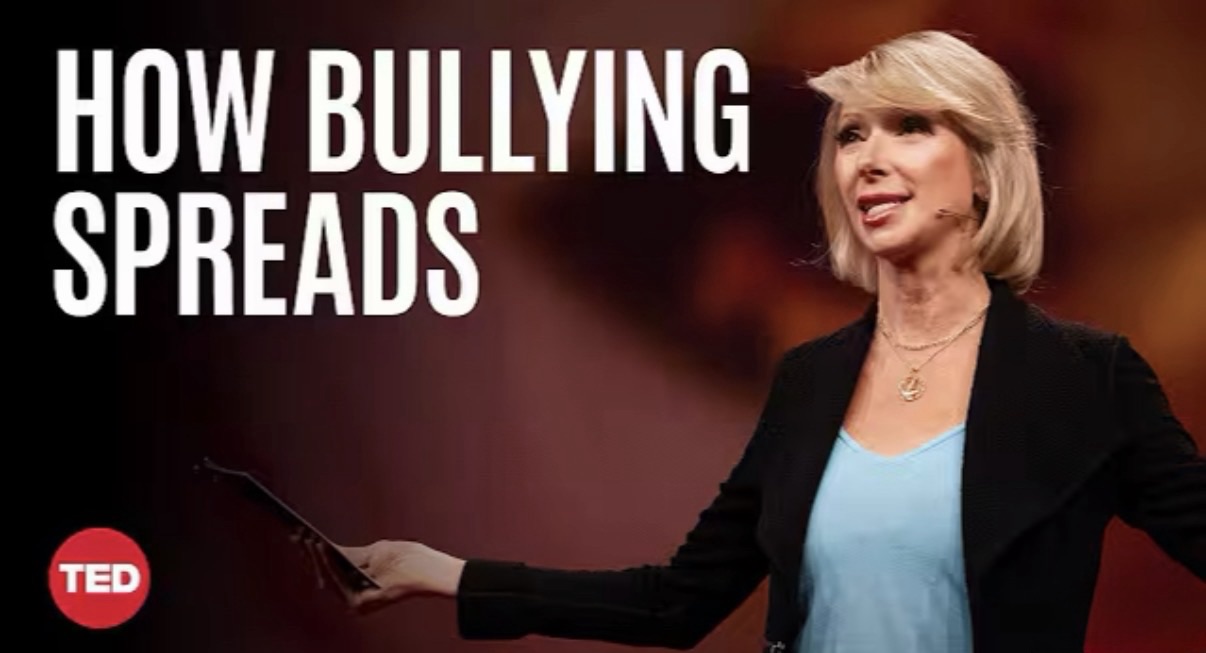
⭐️⭐️⭐️⭐️⭐️ TED Talk: How Bullying Spreads – and How Social Bravery Stops It, by Amy Cuddy
In the video below, Amy Cuddy talks about the relentless bullying she faced in academia, after she delivered the findings of her research (and subsequently famous TED talk) on posture and confidence, and what came to be known as “power poses”.
The harm Amy describes being subjected to included what appeared to be a co-ordinated campaign of manufactured rhetoric claiming her research had been “debunked” – it hadn’t – and resulted in her feeling she had no option but to make distressing choices; her story bears a remarkable resemblance to one in the UK that recently captured the media’s attention, and one that had a tragic outcome. In Amy’s case, she survived – twice – and has now written about the systematic and seemingly wilful abuse against her – not by online trolls but, she says, by other scientists.
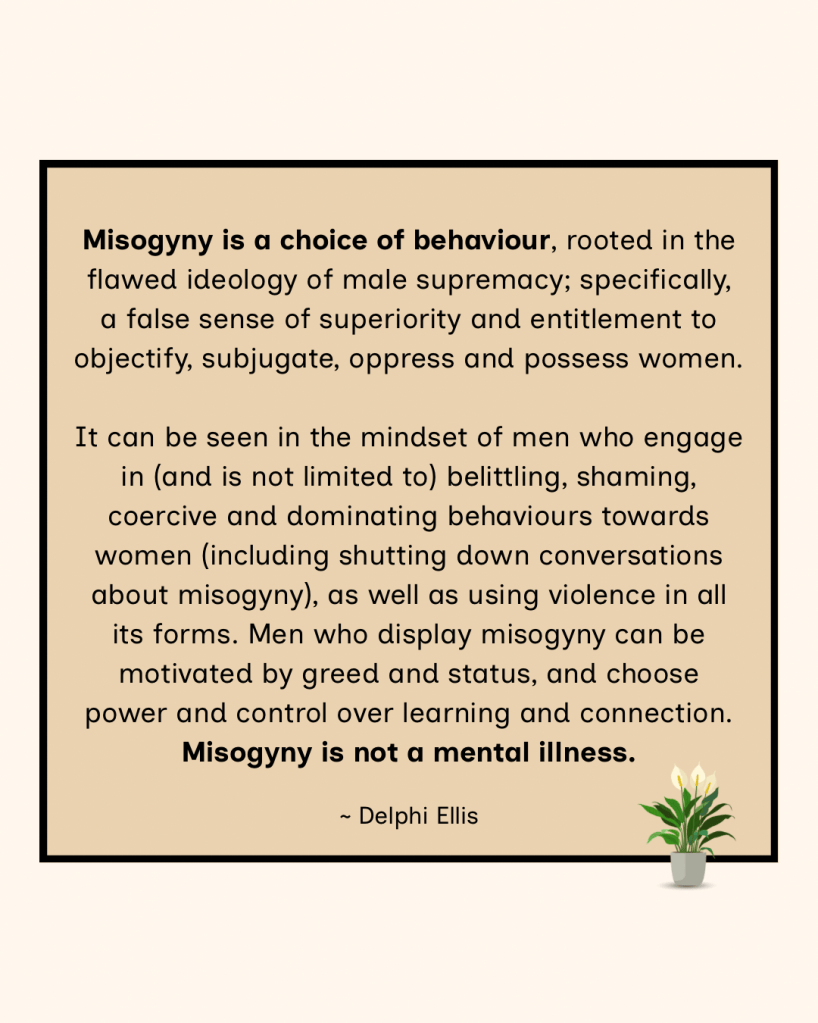
Amy makes a number of important distinctions in her talk, and I couldn’t help but notice the similarities between this, and the discussions I have about male violence against women*.
First, bullying is not conflict. It’s not a difference of opinion, it’s not the target being “too sensitive” or needing “thicker skin”. It’s not a misunderstanding. It is abuse.
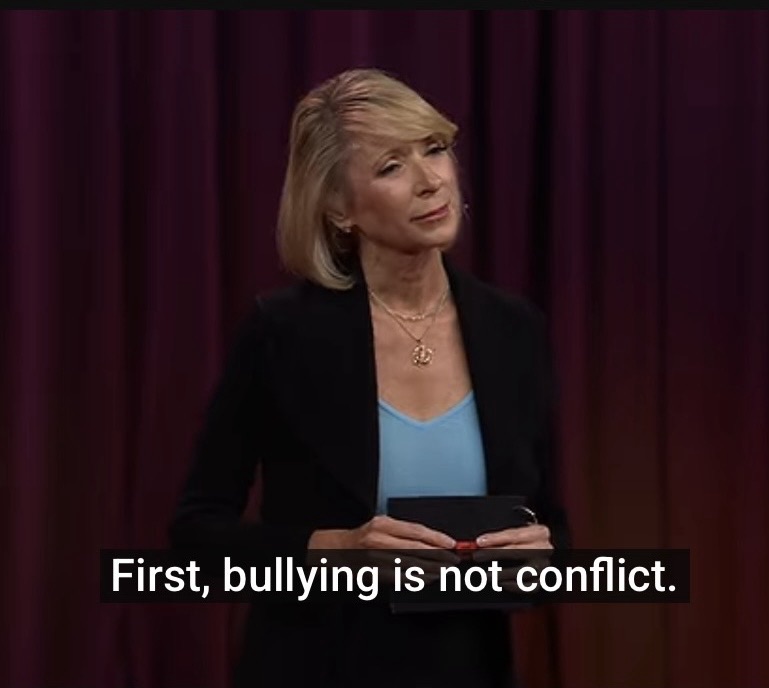
Second, is where Amy describes the bully’s motivation as “the insatiable need for recognition, status and dominance” – very much how I describe the motivating factors of misogyny.
The behaviour is not caused by mental illness. It’s not caused by a hard day at work. Alcohol doesn’t “make” people do it. Bullying is a choice.
This also rightly counters the harmful narrative that “hurt people, hurt people” or that a bully is just unhappy; in reality, bullies benefit from the harm they do, and some even enjoy it. They didn’t “lose control”; a bully knows exactly what they’re doing.
Third, are notably the gateway behaviours Amy describes, where the bully will test the water to see how much they can get away with. Many women (in the context I talk about) will recognise this as “banter” which is minimised (protecting the harm doer, not the harmed), when told to just ignore it or “that’s just how he is”.
However, Amy makes a powerful case for more social bravery – upstandership – and reminds us that silence = compliance. What we permit we promote.
It’s not an easy listen though, so do take care of yourself if you decide to watch. If you do, it may give you something to think about, not least of all how we join the dots between how these harms – like bullying, racism, misogyny and homophobia – intersect and how we can work together to prevent them.
*One last thing, I know women can be bullies too. But this is a conversation about male violence and we should be able to have it.
Amy Cuddy’s new book, Bullied: The Culture of Cruelty and the Surprising Power of Social Bravery is available to pre-order from Amazon.
If you are affected by any of the topics covered in this article you may find this list of links of interest. In the UK, Samaritans are available 24/7 on 116 123
© Delphi Ellis – All rights reserved. This is an opinion post which may appear on other websites or platforms affiliated to the author. For full terms and conditions of use, please visit the policies page.

