
⭐️⭐️⭐️⭐️ Misogynies, by Joan Smith
A fascinating book that starts and ends with exploring the detail behind the murders committed by Peter Sutcliffe, who became known as “The Yorkshire Ripper.”
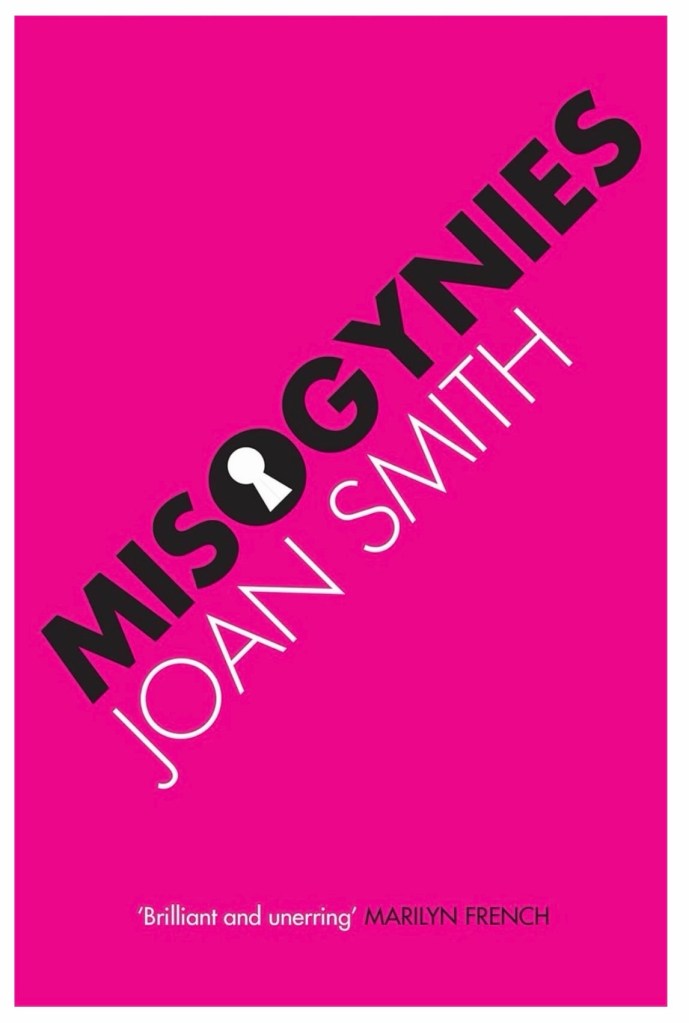
The book tells a fascinating story about the reason Sutcliffe was given that “nickname”, and how this led, in the author’s view, to a number of catastrophic police failings and attitudes (that the author documents) and which allowed Sutcliffe to remain at large for so long.
The book isn’t just about that case though.
It goes on to highlight many examples of misogyny, in literature and in recorded history, which, as the author says is over-simplified by being referred to as the hatred of women: it is so much more than that.
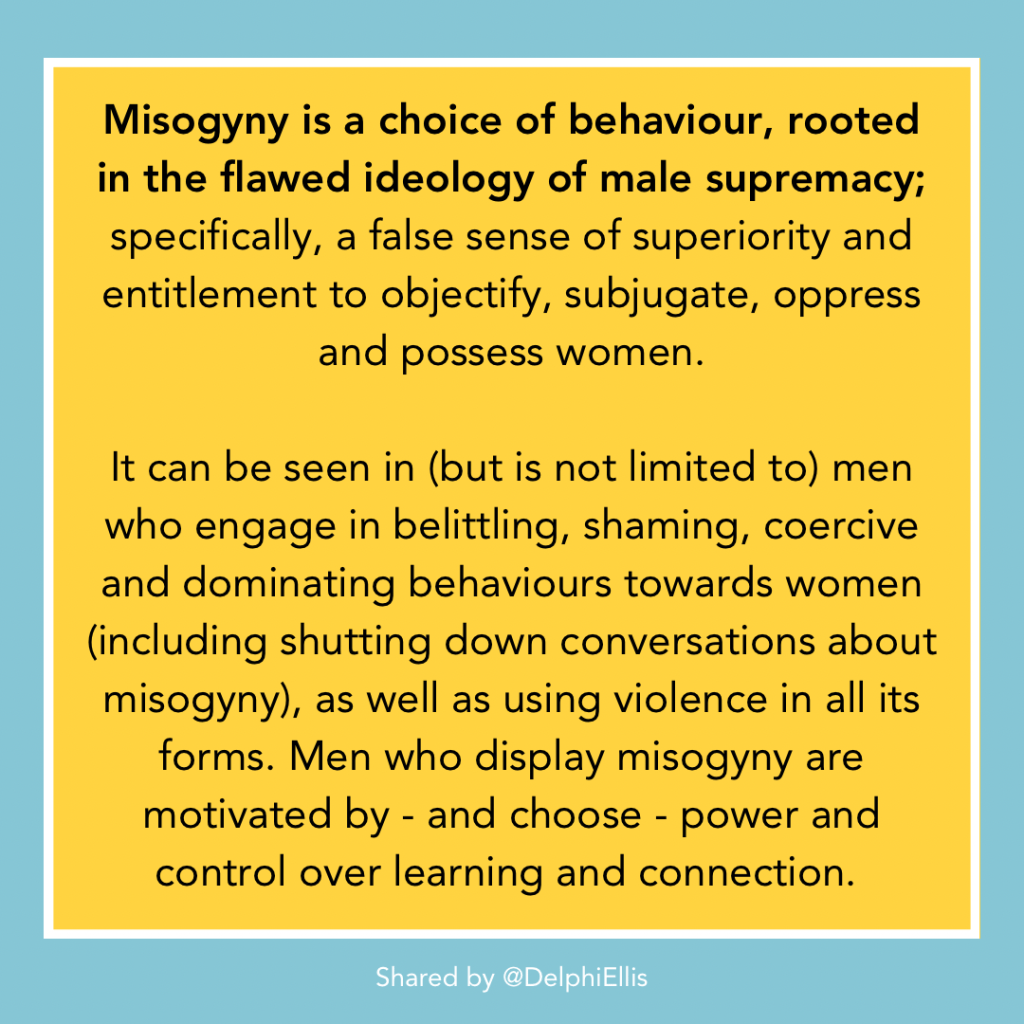
It shows up in systems and culture – including policing (as evidenced in the Casey Review, Op Hotton report and Angiolini Review produced since this book was published) – which the book highlights not only allows misogynists to exist, but how society grows them. Smith also explains the role of women in upholding misogynistic attitudes, pointing to those in the public eye such as Marilyn Monroe and Margaret Thatcher.
Smith also gives an incredible account of the history behind the Malleus Maleficarum – “The Witches Hammer” – and the mindset behind which we can reasonably argue still exists today.
The reason four stars are given for this book (and not five) was only because there were times when, in her efforts to explain misogyny, and how society lets violent men off the hook, it felt as if the author unwittingly did the same.
In one example, towards the end of the book, Smith seems to lay some emphasis on the “reason” Sutcliffe behaved the way he did, was to purge himself of his own “feminine” side. We know men are violent because they want to be and because they choose to be. The proof of this was the way Sutcliffe could switch on and off the “madness” he later claimed was the “cause” of his killing “spree”. Smith also explains in the book how Sutcliffe would regularly cruise the Red Light District, apparently looking for women to taunt. The simplest answer is usually the most overlooked: he did it because he enjoyed it.
Smith also includes a number of gratuitous accounts of men’s violence towards women, when a handful – if needed at all – may have sufficed. Women, whom it’s presumed are the main audience for this book, are all too aware of the harms we experience at the hands of men, and if nothing else a content warning would have helped. The humour she attaches to some of these incidents (which can read as “banter”) and the phraseology she uses is perhaps more suited to the time it was originally printed (1989), may appeal more to the men who enjoy that language, and even the fantasies she describes they have.
In all, though, an important book, absolutely worth reading and provides important insight for those having conversations (perhaps in the MVAWG arena) around this topic.
© Delphi Ellis – All rights reserved. This is an opinion post. For full terms and conditions of use, please visit the policies page.

